
Why Trying Harder Doesn’t Work: The Real Reason Men Fall Short in Marriage
Dec 15, 2025
Many men work hard at their marriages. They read the books, listen to the podcasts, and walk into their homes with honest intentions to do better. Yet when the moment of connection arrives, their behavior shifts. Instead of showing up as the grounded, relational men they want to be, an older, reactive version of themselves takes over. A version built for protection, not connection.
This pattern often plays out despite genuine effort. When I was putting in long hours at the firehouse while my marriage was on the rocks, I carried around a book called 100 Ways to Love Your Wife, believing that one simple action per day could repair years of disconnection between us. The logic seemed solid, the format manageable. The intention was sincere.
But then would come the moment that counts. After a long shift, I would come through the front door, and something unexpected would happen. The plan would disappear, and I would feel myself getting irritated. My nervous system would tighten, and my focus would shift toward the nearest task instead of the relationship.
Within minutes, the same old patterns would return—withdrawal, defensiveness, emotional shutdown, or excessive problem-solving. The man who had good intentions became the man who reacts on autopilot.
If you’ve read this far, then you’ve probably had similar moments. When this happens, you feel shame in those moments, too. You might wonder why your efforts never translate into action. It can be incredibly frustrating to know that you know better, but that something is stopping you from following through.
The real issue isn’t effort. It’s identity. The wrong version of yourself is showing up when pressure hits.
The Two Versions of Every Man in Marriage
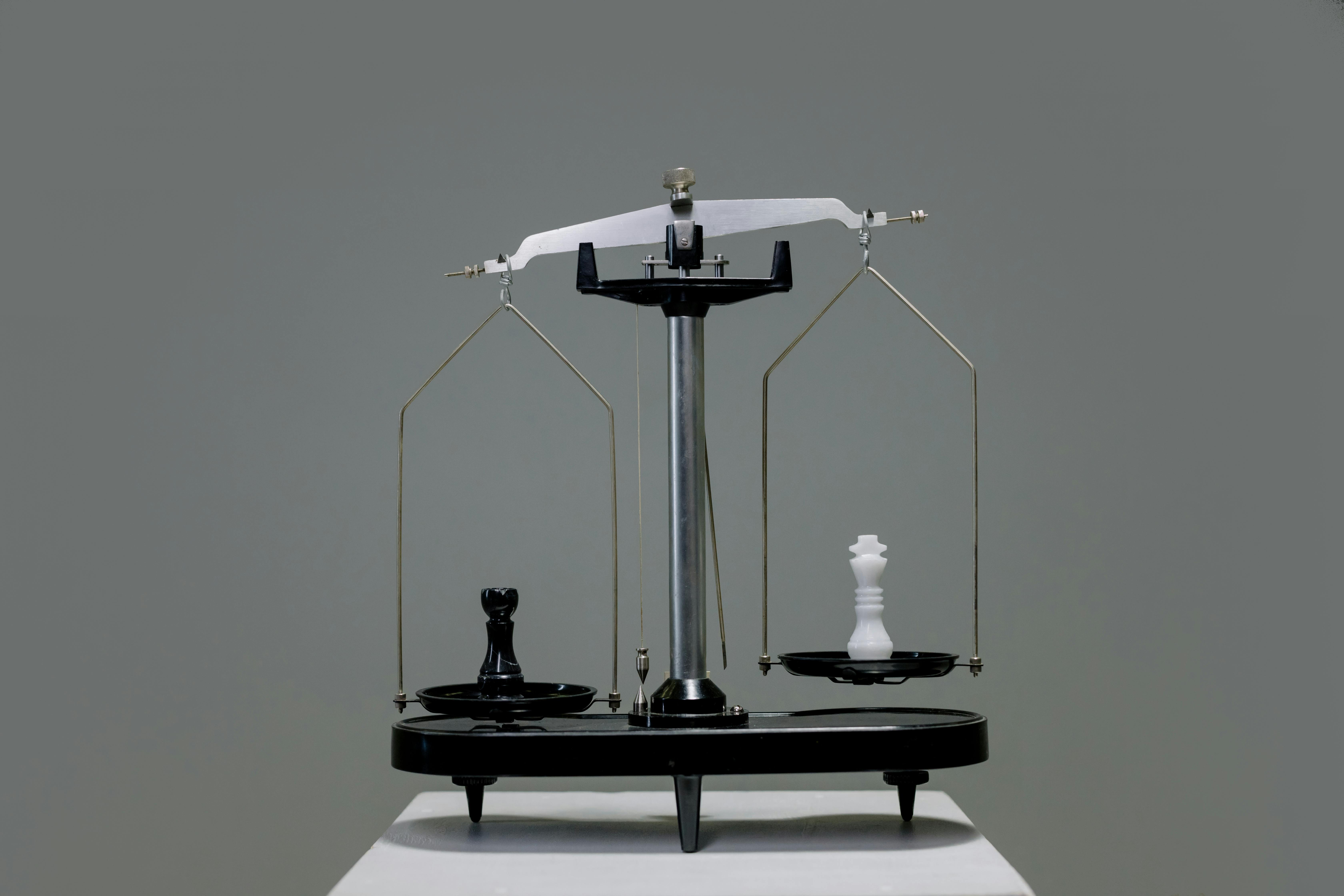
Every man operates from two internal identities—one intentional, one automatic.
The intentional version is the learner: the man who listens to expert advice, takes notes, highlights passages, and imagines what a loving, grounded husband looks like. This part values connection and wants to show up with strength and presence.
The automatic version is the reactor. In Relational Life Therapy, this is called the adaptive child, but the name isn’t as important as the function. This version of a man activates when he feels overwhelmed, criticized, unappreciated, or not enough. He’s fast, sharp, and built for protection. He withdraws, snaps, fixes, or shuts down. He does not think—he reacts.
And this is the version of you that walks into the room first.
These reactive strategies were actually learned much earlier in life than you may realize. They were shaped in childhood, during moments where emotional expression didn’t feel safe, needs weren’t met, or connection was inconsistent. Maybe you learned to get quiet, or be helpful and strong because that earned approval. It could be that you learned to hide emotion because showing it led to punishment or mockery. Whatever strategy emerged, it worked at the time. It kept that child (you!) safe.
But in adulthood, these same strategies erode intimacy, block vulnerability, and shut down connection with the person a man loves most.
The Problem Isn’t Tools. It’s State.
As men, many of us assume that more knowledge will solve everything. New books, new communication scripts, new frameworks. The belief sounds like: If I just knew exactly what to say, this marriage would turn around.
But in moments of relational pressure, we rarely use the new knowledge. Instead, we default to the adaptive strategies we learned as boys. This happens because, under stress, the brain shifts from relational mode to survival mode. The part that stores emotional intelligence goes offline, and instinct takes over.
This is why trying harder doesn’t work. It’s not because tools are ineffective. It’s because the wrong version of you is trying to use them.
When shame sets in, it becomes even harder to change. You might begin asking the wrong questions: What’s wrong with me? Why can’t I follow through? Maybe I’m not cut out for this. Or perhaps you swing toward blame: If she weren’t so emotional… If she communicated differently…
None of these responses address the core issue: the man in the room is not the man you intend to be.
The Version of You That Can Actually Love Well
There is a wiser, grounded, capable version inside every man—a part often called the wise adult. This version shows up when a friend is hurting, or in moments of crisis where clarity and calm are required. He shows up when leadership matters.
The wise adult isn’t reactive. He isn’t driven by fear. He isn’t controlled by old survival patterns. He leads with presence, not performance. He stays steady when emotions rise. He listens without defending. He moves toward connection instead of control.
Every man has access to this version of himself. But unlike the adaptive strategies, the wise adult doesn’t appear automatically. You must choose this version of you, practice it, and strengthen it over time.
Real change happens not when you try harder, but when you shift who is showing up in the moment.
Understanding Where the Shutdown Comes From

To strengthen the wise adult, we must understand the roots of our reactive self. The adaptive strategies running your marriage today were shaped in childhood, during moments of overwhelm or loneliness, in households where emotions weren’t modeled, supported, or acknowledged.
You were probably taught (directly or indirectly) that emotions were burdensome, unproductive, or even dangerous. By learning to swallow your needs, suppress your fears, and take on responsibilities too early, you helped yourself survive.
These strategies protected you from chaos, disapproval, or emotional abandonment. But now, as an adult, those same patterns create distance exactly where connection is needed most.
You cannot lead differently until you understand where your automatic reactions were formed. Don’t think of naming the pattern as blame. Think of it as liberation. Once you see the origin of your reactivity, you will stop treating yourself as defective and start treating your strategy as outdated.
The Practice That Unlocks Real Change
One of the most powerful ways to interrupt old patterns is a practice many men initially resist: writing a letter to the adaptive child. Not to shame him, and not to get rid of him, but to honor his role and release him from responsibility.
This letter acknowledges how that younger version stepped in during overwhelming moments. How he protected, shielded, hustled, or shut down. It expresses gratitude for his efforts and communicates a new truth: the adult self is ready to lead now.
This practice works because it shifts the internal relationship from rejection to compassion. When you stop fighting your adaptive strategies and instead thank them, the grip of reactivity begins to loosen. The nervous system softens. The wise adult gains room to step forward.
Men I’ve worked with who have completed this exercise often describe an immediate sense of clarity and relief. Emotional pressure feels less overwhelming, and the ability to stay present increases.
From that grounded place, the tools they’ve learned finally become usable.
Your Superpower in Conflict Begins with a Pause
When a difficult moment arises and the adaptive patterns begin to activate—tight chest, rising irritation, the urge to shut down—this is the critical pause. A conscious acknowledgment that the reactive part is stepping in is crucial.
Visualizing that part behind the adult self can shift the entire trajectory of the interaction. This step is all about stepping into leadership. When the wise adult steps forward, body language and tone changes, and connection becomes possible.
Every time you can make this shift, even briefly, the healthy pattern strengthens, the internal muscle of presence grows, and the old survival strategies lose their automatic control.
This is where you begin showing up as the husband you want to be. Not perfect, but present, grounded, and capable of creating safety in the relationship.
Four Steps to Begin the Shift This Week
To move from intention to transformation, start with these four steps:
1. Name the pattern.
Identify the automatic response that emerges during conflict—shutdown, defensiveness, fixing, avoiding, or overexplaining.
2. Trace the origin.
Ask where this pattern started and the person it protected.
3. Write the letter.
Express gratitude, tell the truth, and reclaim leadership from the adaptive child.
4. Share the work with someone trusted.
When growth is witnessed, it becomes anchored. A friend, mentor, or men’s group can strengthen the process.
These steps create a shift from unconscious reaction to conscious leadership. And that is exactly the shift every marriage needs.
A New Kind of Leadership in Marriage
Remember: you are not failing because you lack effort or intelligence. You are struggling because a younger, protective version of yourself is still running the emotional show in your life. That version doesn’t need to be erased. Instead, he needs acknowledgment and release. Your marriage doesn’t need perfection; it needs presence. It needs a man who stays steady when things get hard, who listens without going into battle mode, who leads from strength rather than fear.
That man—the wise, grounded, relational adult—is already inside. He simply needs space to rise.
—
Ready to make the change? Take the next step by signing up for the Better Husband Workshop, and head over to the Better Husband podcast to hear even more insight in the accompanying episode.
Need Help In Your Marriage?
Subscribe to the Better Husband Newsletter to get weekly updates with marriage support, new blog posts, podcast updates and more!
By signing up you consent to receive regular emails from Angelo Santiago with updates and the occasional promotion for services. You can unsubscribe at any time. View our detailed privacy policy in the footer.

Author