Why Your Marriage Feels Harder After You Start Trying to Change
Jul 22, 2026
Many husbands expect that once they finally start listening better, taking responsibility, and showing up differently, their marriage should immediately begin improving.
But for a surprising number of couples, the opposite happens.
You decide something’s got to change. So you stop defending yourself, start reading books, listening to podcasts, going to therapy, joining a men's group, or having more honest conversations than you've ever had before. You feel hopeful because you're finally doing something about the problems that have been hurting your marriage.
And then your wife seems more emotional, distant, or willing to bring up old hurts than ever before. That can feel incredibly confusing.
You might start to wonder why it feels like things are getting worse now that you’re trying harder. Rather than assuming your efforts are failing, consider that it could be you’re each experiencing this process in completely different ways.
Why Change Doesn't Feel the Same for Both of You
When you finally wake up to the impact you’ve been having on your marriage, the experience is often surprisingly relieving.
You can finally see the patterns and understand why your wife has been hurting. Because of this, you feel motivated to change. For the first time in a long time, you have a direction.
Internally, you might be having thoughts like:
- "I finally get it."
- "I'm working on it."
- "We're headed in the right direction."
- "Things are going to get better."
However, your wife may be experiencing something completely different.
For months or years, she may have felt alone in the marriage. She may have tried to bring things up only to be met with defensiveness, shutdown, minimization, or promises that never lasted. She may have learned to carry her hurt quietly because talking about it didn't seem to help.
When you finally start showing up differently, the way you each process this change will be different. For instance, your wife doesn't automatically feel relief. A better word for her emotions is probably ‘permission’.
Permission to stop pretending everything is okay, and about how painful it has been. Permission to revisit conversations that never really got resolved, and to let herself feel what she has been suppressing.
Your growth may feel like relief to you because you're finally doing something about the problem, for her it often feels like the door opening for everything she's been carrying.
That's why many husbands are shocked when their wife seems to struggle more after they start changing.
The Three Stages of Rebuilding Trust
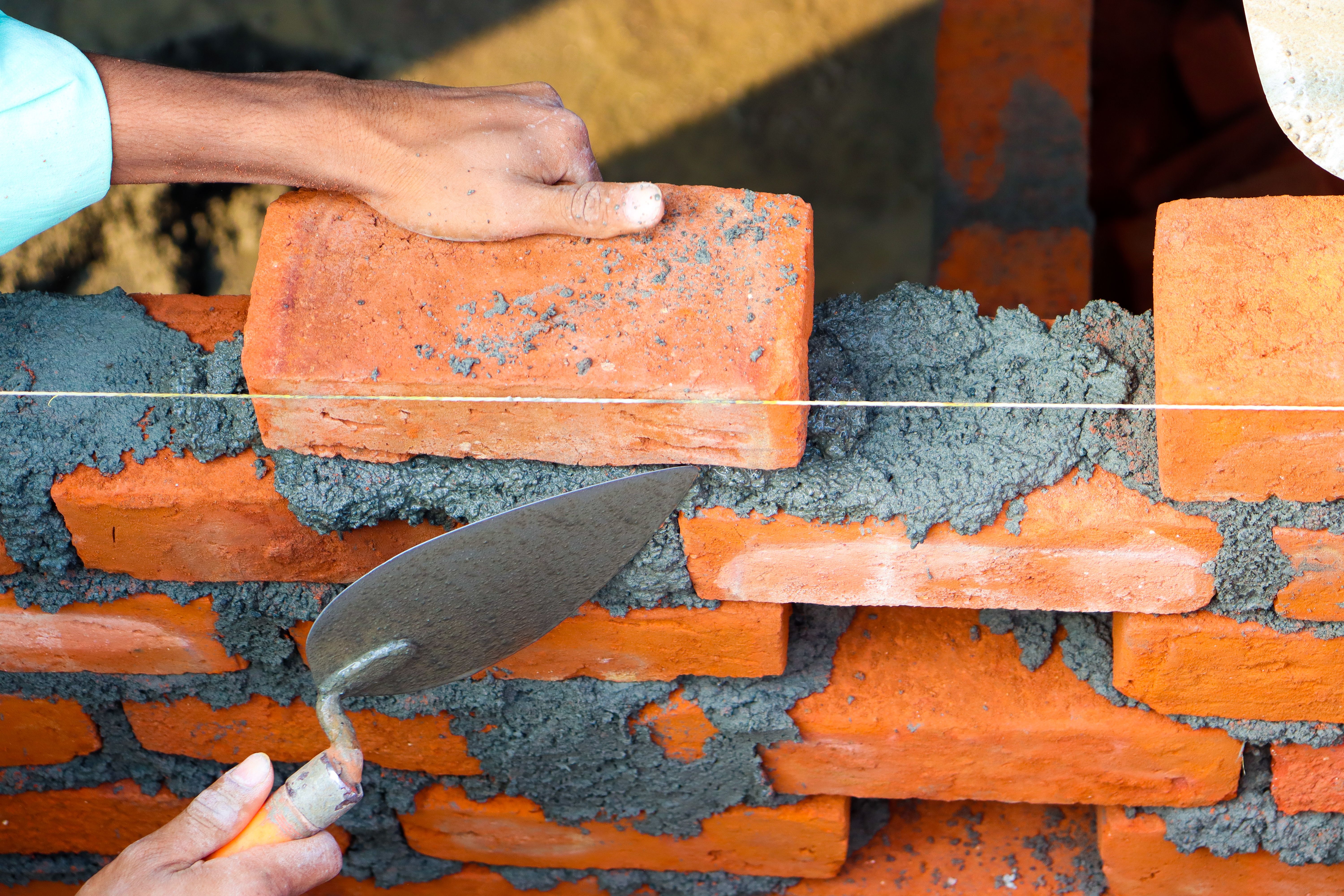
One of the clearest ways to understand this process is through three stages: sincerity, ability, and durability. These stages don't happen overnight, and they don't move on your timeline.
And that’s why it’s important to start today.
1. Sincerity: Deciding You're Truly All In
The first stage is sincerity, which is deeper than apologizing or saying, "I know I need to do better."
The real question is:
Do you genuinely want this marriage and the man you would need to become to create it?
Many men begin changing because they're scared: of divorce, of losing their family, and of the consequences of staying the same.
Fear can be a powerful wake-up call, but fear-driven change often fades once the immediate crisis settles down.
Real sincerity sounds like:
- "I want to become a different man whether this feels easy or not."
- "I want to learn how to love her well."
- "I don't want to go back to who I was."
Your wife is usually trying to determine whether this is what she's seeing.
Because let’s face it: she has probably heard apologies and seen periods of improvement before. So when you start changing, she's trying to feel whether your heart is actually in it.
2. Ability: Turning Good Intentions Into New Habits
The second stage is ability, and where many husbands get stuck.
Listening to podcasts, reading books, and talking about growth are valuable, but they are not the same thing as changing the patterns that hurt your marriage.
Ability shows up when the hard moment arrives.
- Can you stay in a difficult conversation without getting defensive?
- Can you hear her hurt without explaining yourself?
- Can you admit you were wrong without needing her to reassure you?
- Can you repair after you get it wrong?
You can be completely sincere and still lack the ability to respond differently in real time.
For example, if your wife says she still feels hurt about something that happened last year, a sincerity-only response could be:
"I'm sorry. I hate that I hurt you."
An ability response, on the other hand, is more like:
"I can feel myself wanting to explain, but I want to understand first. Tell me what still feels unresolved."
That is a completely different skill.
Ability is about practicing the specific behaviors your marriage has been missing: listening, emotional regulation, repair, and follow-through.
And here's the hard part: your wife may not feel the benefits of your sincerity until she starts experiencing your ability consistently.
3. Durability: Keep Going After the Crisis Ends
The third stage is durability, and this is where many marriages lose momentum right under your nose.
When your relationship is in crisis, motivation is usually high. You’re scheduling therapy appointments, reading as many books as you can, initiating conversations, and paying attention.
Naturally, things start to improve.
The house feels calmer and you might unconsciously think you’re through the worst of it, so you relax.
The problem is that your wife has often seen this pattern before:
- You engage when things are bad.
- You improve for a while.
- The pressure decreases.
- You drift back toward old habits.
That is why trust rebuilds so slowly. She has to ask herself, "Will this still be true six months from now when life feels normal again?"
Durability means continuing the work after the urgency fades. It means staying intentional when nobody is threatening to leave and treating connection as a daily responsibility, not an emergency response.
Why She May Still Be Hurting
Something that many husbands need to hear is that a few months of real change does not erase years of loneliness.
You may look at your recent growth and think:
- "I've been trying so hard."
- "I've changed a lot."
- "Why does she keep bringing up the past?"
From her perspective, she may be thinking:
- "I carried this alone for years."
- "I'm only now starting to feel safe enough to talk about it."
- "I need to know this new version of him is real."
Those are not contradictory experiences, they're just different timelines.
Sometimes your wife brings up old hurts now because she finally believes you'll stay in the conversation long enough to hear them.
That is actually a sign of growing safety, even though it often feels discouraging.
Don't Measure Progress By Your Experience Alone

One of the easiest traps for you to fall into is measuring progress only by your own experience.
You may feel more self-aware, connected, hopeful, and motivated. And while all of that can be true, your wife may still be evaluating something different:
- Is this going to last?
- Can I relax?
- Am I safe bringing hard things to him?
- Will he still be this engaged when life gets busy?
Trust is rebuilt when your spouse repeatedly experiences you as dependable, responsive, and emotionally present, not just when you promise that things will be different. This is why trust is built through consistent actions over time, not a single conversation or moment of change.
You are busy measuring effort, while she is measuring consistency over time. Neither perspective is wrong, but if you only look at your own, you'll start feeling resentful that she isn't responding faster.
A Better Marriage Is Built One Day at a Time
If your marriage feels harder right now, don't assume you're failing. You may simply be in the part of the process where your wife is finally able to feel and express what she has been carrying.
Keep showing up, keep listening, and keep practicing the skills, not just consuming information.
And most importantly: don't mistake a good week for the finish line.
The goal is not simply becoming the husband who knows what to do during a crisis. The goal is becoming the husband who continues choosing love, humility, honesty, and consistency long after the crisis is over.
Trust is most often rebuilt through hundreds of ordinary moments where your wife slowly discovers that this version of you is here to stay.
And that is why the work often feels harder after you start trying: because real rebuilding has finally begun.
–
Trust After Change
Want to go deeper on rebuilding trust in your marriage? Listen to the full podcast episode on sincerity, ability, and durability, or sign up for the Better Husband Workshop to get the support and accountability you need to keep doing this work.
Need Help In Your Marriage?
Subscribe to the Better Husband Newsletter to get weekly updates with marriage support, new blog posts, podcast updates and more!
By signing up you consent to receive regular emails from Angelo Santiago with updates and the occasional promotion for services. You can unsubscribe at any time. View our detailed privacy policy in the footer.

Author