What to Do When Your Wife Is Years Ahead in Personal Growth
Aug 05, 2026
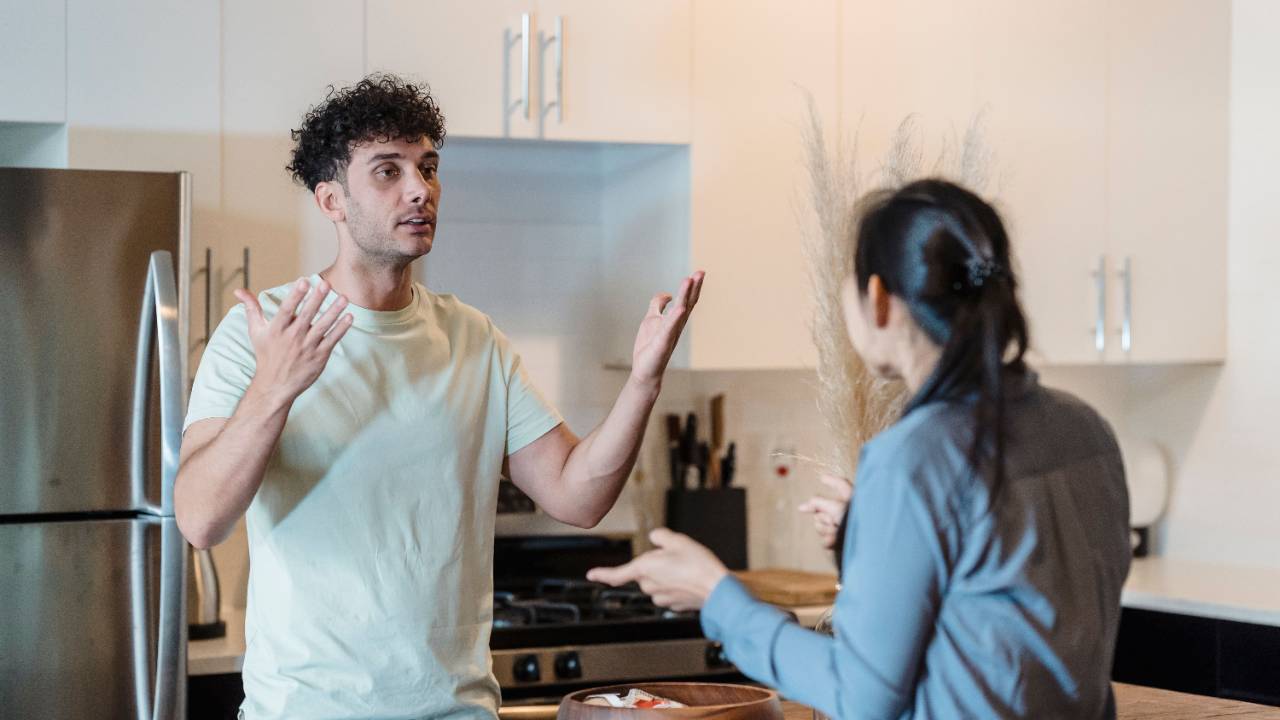
One of the hardest moments for a husband in a struggling marriage is when they realize their wife started working on the relationship long before they ever even considered there was a problem.
If this sounds like you, I’m willing to bet you’ve started reading all of the books on marriage advice, listening to podcasts, seeing a therapist, or joining a men's group. You're becoming more self-aware, learning to communicate differently, and finally taking ownership of your role in the relationship.
Then you look at your wife and have a realization that hits you like a ton of bricks: She's already been doing this for years.
The emotional conversations you're just learning to have are conversations she's been trying to have for a decade. The communication skills you're developing are ones she's built through years of therapy, personal growth, books, or support from trusted friends. While you're taking your first steps, she's already walked miles down the same road.
It's easy to look at that gap and wonder if you'll ever catch up.
But that gap doesn't mean you've already lost. Understanding why it exists can actually help you stay committed to the work instead of becoming discouraged by it.
Why she often starts the work first
I’ve seen this same pattern pop up in countless marriages.
While the husband was brushing off disagreements, periods of silence, and a feeling that something wasn’t quite right, their wife was often trying to improve the relationship. She may have suggested counseling, read relationship books, listened to podcasts, or searched for ways to communicate more effectively.
She spent years trying to explain what she was feeling.
But lots of the time, any attempt to talk about it on a deeper level was dismissed. Sometimes trying to talk about it just turned into an argument.
Eventually, many women stop bringing it up.
But that doesn’t mean it stopped bothering her, or that she’s suddenly okay with whatever the issue was. If you assume things have improved because the arguments have become less frequent, think again.
In reality, your wife may simply be exhausted from repeating herself. Instead of believing another conversation will help, she starts to carry the emotional weight alone.
She’s resigned to the fact that, no matter how much she cares, things won’t change.
While you just started your own growth journey, your wife has already spent years processing disappointment, learning healthier emotional habits, and building support systems outside the marriage because she couldn't find that support at home.
Understanding your wife’s process matters because it explains why she may not immediately celebrate your progress. This has been a long time coming, and there’s a lot of history behind this moment.
Why the gap feels so discouraging

Once you begin changing, it's tempting to expect things to improve quickly. From your perspective, you're putting in real effort, showing up differently, and trying harder than you ever have before.
But your wife may still seem cautious because she doesn’t fully trust the changes yet. So, she may still hesitate before opening up emotionally.
Don’t feel discouraged by this! It doesn’t mean what you’re doing isn’t making a difference. The truth is that trust usually takes much longer to rebuild than awareness takes to develop.
Think of that friend who always says they’ll show up to an event and then no one sees him until the last hour, or not at all. Even if they decided they were going to suddenly become reliable today, you probably wouldn't expect differently of them until they’d proven the change was real.
Relationships work the same way.
Your wife is trying to determine whether today's behavior represents a lasting change or a temporary improvement.
That doesn't mean she doubts your sincerity, just that she’s protecting herself while she waits to see whether the new patterns continue.
Why setbacks can feel bigger than before
One of the most surprising parts of personal growth is realizing that mistakes sometimes hurt more after progress has begun.
Early in a struggling marriage, unhealthy behaviors may have become expected. But once someone genuinely starts to change, those old behaviors carry new meaning.
If you've spent months becoming more emotionally available but suddenly shut down during an important conversation, your wife may experience that setback more intensely than she would have before, because she's seen what's possible.
When the old version of you reappears, even briefly, it can feel like losing hope all over again. But remember: Growth is almost never linear. Everyone stumbles.
So don’t focus on the setback. Think about what you’re going to do next. Will you become defensive? Give up? Or are you going to acknowledge it, repair the damage, and keep moving forward?
Focus on consistency for rebuilding the trust in your marriage, not getting everything right.
Share your discouragement without making it her responsibility
Many husbands try to hide how overwhelmed they feel because they don't want to seem weak. Others swing to the opposite extreme, unloading all of their discouragement onto their wife, hoping she'll reassure them.
Neither of these approaches creates connection.
Instead, learn to communicate honestly without asking her to carry your emotional burden.
Think about the difference between saying:
"This is really hard for me, but I'm committed to becoming a better husband."
(shares vulnerability while maintaining responsibility)
and:
"Nothing I do is ever enough."
(asks your wife to manage your emotions)
Also, these conversations work best when you're both calm and connected, not in the middle of an argument when vulnerability can easily sound like an excuse instead of honesty.
Support matters more than willpower

One mistake many men make is believing they should figure all of this out alone. Being able to handle things without any help is something that gets drilled into men from an early age, so this makes sense.
Real change becomes much more sustainable when you realize that this mentality is actually holding you back. One of the best things you can do for your marriage is finding other people who understand the journey.
Whether that's a men's group, a therapist, a coach, trusted mentors, or close friends committed to healthy relationships, having somewhere to process setbacks keeps you from relying solely on your wife for encouragement.
She's still healing too, and so finding a healthy support system to help carry some of the mental load helps a lot.
How to start changing
If you're realizing your wife has been on this journey much longer than you have, don't let that discourage you. Let it motivate you to keep moving forward.
- Acknowledge how much work she's already done. Tell your wife that you recognize the effort she's invested in herself and your marriage over the years. Let her know you appreciate the emotional work she's carried, even when you weren't ready to join her.
- Share honestly about your own experience. When you're both calm, tell her that this growth is new for you and that you're committed to it. Be vulnerable without asking for reassurance or making excuses.
- Build your own support system. Find people who will challenge you, encourage you, and help you stay accountable. Personal growth becomes much more sustainable when you don't try to carry it alone.
The gap isn't the problem
It's natural to feel discouraged when you realize your wife is years ahead of you emotionally.
But all this gap shows is that your journeys started at different times. Your wife began growing because she had to, and she searched for support because she couldn't find enough of it inside the marriage.
Now it's your turn.
As long as your heart is fully in the work, don’t worry about how fast the changes happen.
The true measure of transformation is your willingness to stay committed when progress feels slow, when setbacks happen, and when rebuilding trust takes longer than you'd hoped.
If you keep showing up, keep learning, and keep choosing growth, you’ll give your marriage the greatest chance to heal.
Every healthy marriage has a point where someone chooses to begin. Let today be yours.
–
Want to go deeper?
Listen to the full podcast episode on the Better Husband Podcast for more practical guidance.
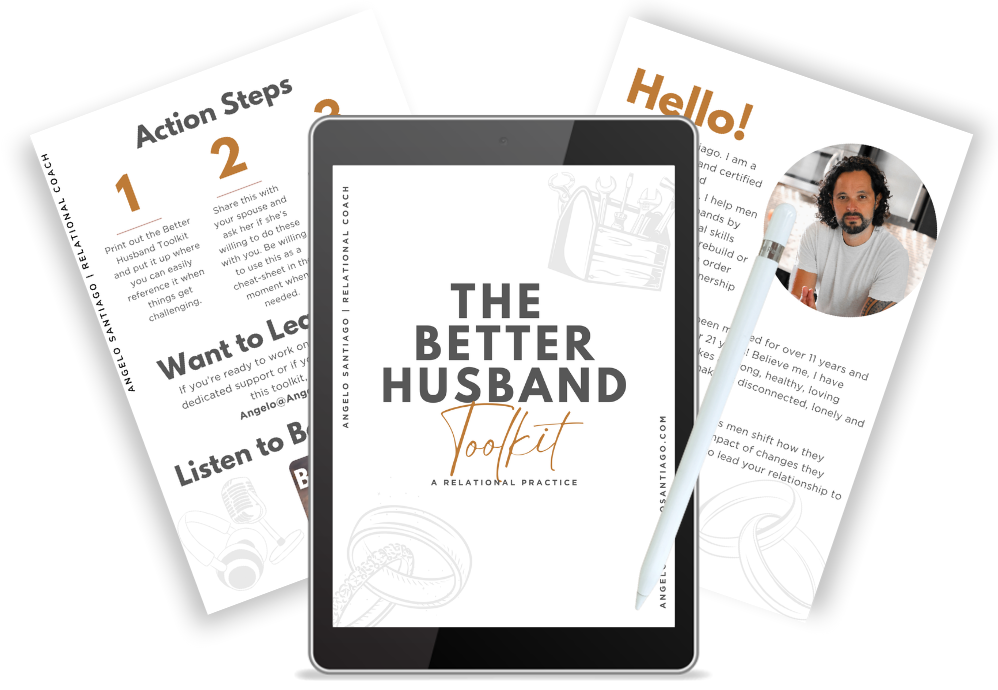
Starting your own growth journey? Download the Better Husband Toolkit for simple exercises and resources to help you become the husband your marriage needs.
Need Help In Your Marriage?
Subscribe to the Better Husband Newsletter to get weekly updates with marriage support, new blog posts, podcast updates and more!
By signing up you consent to receive regular emails from Angelo Santiago with updates and the occasional promotion for services. You can unsubscribe at any time. View our detailed privacy policy in the footer.

Author