
What to Do When You and Your Spouse Don’t Share Interests
May 15, 2026
There’s a moment in many marriages that doesn’t look like a problem on the surface, but feels like one underneath it.
You’re choosing a movie, picking a weekend activity, or just talking about something you’re excited about. You feel your energy rise because it matters to you. But then you notice that your wife isn’t matching it.
She might still be there, still listening, still present, but you can tell she doesn’t feel the same spark as you do. This reaction causes you to unintentionally mirror it. You feel a little less enthusiasm, and a little more distance. The fact that your natural enthusiasm for the topic wasn’t shared hurts.
These small moments are where many couples quietly get stuck.
The truth is simple but easy to miss: strong marriages don’t require you to love the same things. They require you to know how to stay connected when you don’t.
This is where the idea of a Love Venn Diagram becomes useful.
The Love Venn Diagram: Understanding How Connection Actually Works
Every marriage lives inside three overlapping spaces.
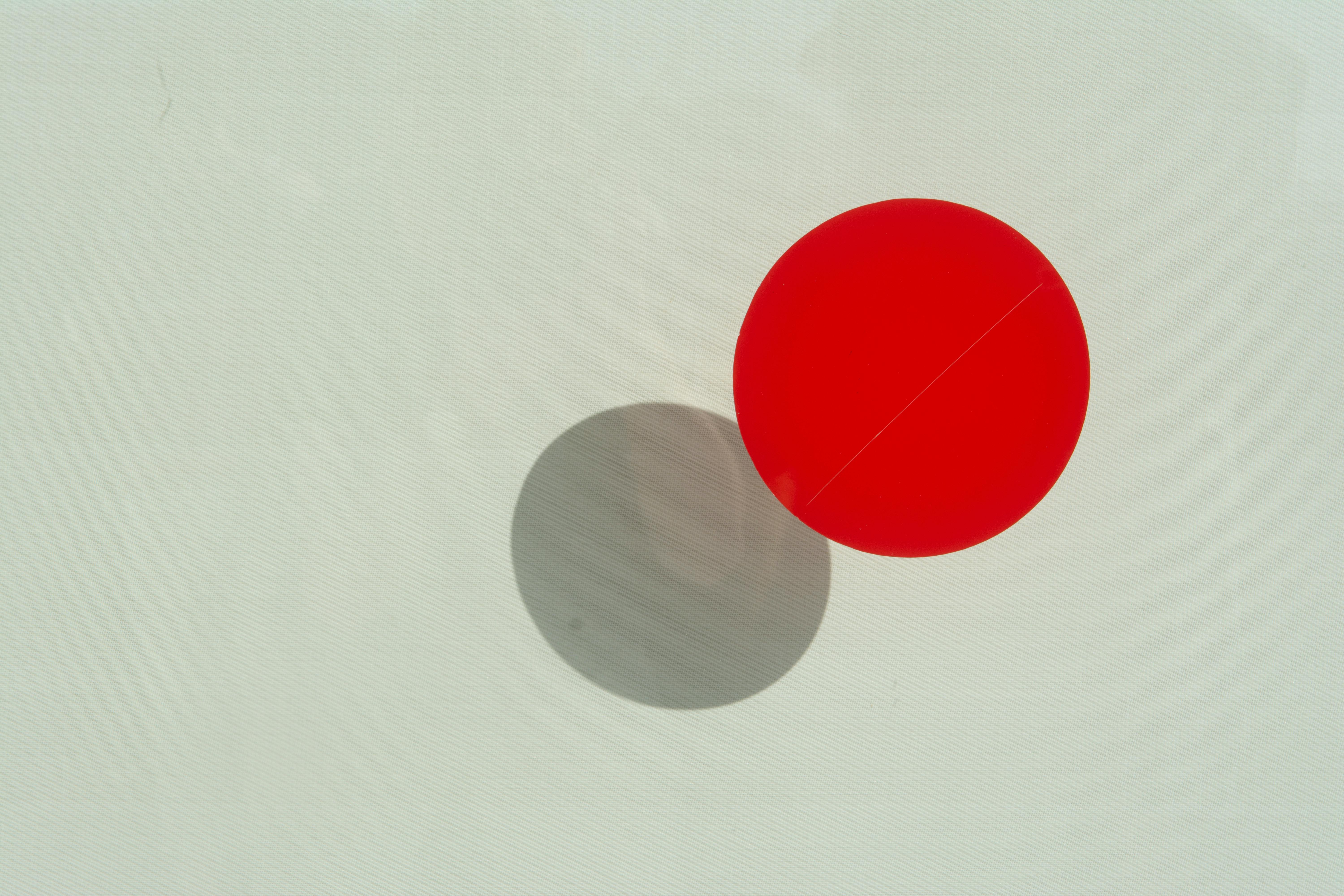
There is your circle—what energizes you, excites you, and helps you feel like yourself. There is her circle—what brings her joy, comfort, and meaning. And then there is the overlap—the shared space where the connection between you two actually lives.
The mistake many couples make is assuming the goal is to merge everything into one shared circle. You yourself might have had the thought that if you really loved each other, you would like the same things, react the same way, and always be on the same page.
But that’s not realistic, and more importantly, it’s not necessary.
Be careful, because the opposite can also happen. You might each slowly retreat into separate lives. You do your thing, while she does hers. Over time, the overlap shrinks until the relationship starts to feel more and more disconnected and distant.
A healthy marriage sits somewhere in the middle. It protects individuality while intentionally growing shared space.
That shared space has to be grown with intentionality. It grows through attention, repetition, and emotional presence.
Why Differences Start to Feel Personal
One of the quickest ways tension shows up is when your partner doesn’t respond to something you care about with the same energy you feel.
Think about a time you got excited and shared it with your wife. You had all of these expectations for how she would feel the same way. Except that her reaction is nothing like what you pictured, and your mind starts to fill in the gap.
“She doesn’t care.”
“She’s not interested in me.”
“This doesn’t matter to her.”
Most of the time, that interpretation is not accurate. It’s coming from a deeply emotional place. And while the way you feel is valid and should be listened to, it doesn’t always mean that your perspective accurately reflects the reality of the situation.
Because your wife’s lack of enthusiasm is almost never a rejection. It’s just a difference in wiring, interests and your internal worlds.
The problem is the meaning we attach to it.
When you interpret neutral disinterest as emotional rejection, you start to withdraw, share less, and even show less excitement. In other words, you (try to) protect yourself.
And slowly, without either person intending it, the relationship becomes smaller.
Learning to Hold Difference Without Disconnecting
There is a stronger alternative, but it requires a small shift in perspective.
Instead of asking, “Why doesn’t she care about this like I do?” a more useful question is, “Can I let this be different without making it mean something about us?”
That change in language matters because it keeps the connection intact even when enthusiasm isn’t matched.
When you are grounded in your own life (with your own friendships, interests, and sources of energy) your partner’s disinterest simply feels like what it is: difference. Not rejection.
But when your relationship becomes your only source of emotional fuel, every difference starts to feel heavier than it really is.
This is why your own circle matters just as much as the shared one.
Your Circle: Why Your Own Joy Matters
Your personal interests, friendships, hobbies, and outlets are some of the biggest stabilizers for your marriage.
When your own circle is full, you show up differently. You’re less reactive and resentful, but more grounded. Instead of looking to your partner to complete your emotional experience, you’re sharing it with them.
On the other hand, if you find your circle is empty, small things can start to feel bigger. Neutral moments can feel personal, and you start expecting your partner to meet needs they were never meant to carry alone.
A strong marriage is built on two people who are both alive outside of it and connected inside of it.
Her Circle: Learning to Be With What You Don’t Share
Just as your circle matters, so does hers.
Your partner will have interests, hobbies, and sources of joy that don’t naturally excite you. That is not a problem to fix.
And here’s where many men underestimate something important: she is not always looking for you to love the thing. She is looking for you to be with her while she loves it.
So no, you don’t have to force enthusiasm. You don’t have to perform interest. But you do need presence.
Staying engaged, even when the topic isn’t yours, sends her the powerful message that you’re right there with her.
That feeling builds emotional safety over time which is what allows deeper connection to grow.
The Overlap: Where Connection Actually Lives

Let’s talk about the overlap in our venn diagram, because this is where most couples underestimate the real work of marriage.
It’s not just date nights or big emotional conversations. It’s the small, repeated moments of shared life.
It might be a routine you both enjoy, like a walk after dinner, or a show you watch together. Maybe you have a shared joke that you know puts a smile on each other’s faces. Even something as small as sending each other funny messages during the day.
These moments, while not dramatic, do accumulate.
And when they’re neglected, distance starts to creep in slowly. You might not notice it at first. There might be a little less laughter, less ease, and fewer shared moments. Eventually enough of this neglect builds that you stop feeling like a team.
The overlap that you need for your marriage to have that intimacy grows through consistency, not intensity.
Growing Your Connection Without Forcing It
Many couples assume connection requires effort that feels big or structured. But most of the time, it’s the small things done consistently that matter most.
If you want to strengthen the overlap, focus on three simple shifts:
- First, notice what already works. There are moments in your relationship that already feel good. Pay attention to them instead of only focusing on what’s missing.
- Second, participate in each other’s worlds without needing to fully enter them. You don’t have to become your partner—you just have to stay connected to her while she experiences hers.
- Third, keep your own life active and meaningful. The more grounded you are outside the relationship, the more present you become inside it.
These are not dramatic changes, but they are powerful ones.
A Simple Reflection That Changes Perspective
Take a moment and ask yourself this:
What are a few things I already share with my partner that feel easy, natural, or enjoyable?
Those are the foundation of your overlap.
Most couples just need to notice and feed what already exists, rather than starting from scratch.
Shifting From Similarity to Connection
At the heart of this idea is a simple truth: You don’t need to become the same person to stay deeply connected.
You just need to learn how to stay open when you are different.
When you stop interpreting difference as distance your partner’s joy stops feeling like something you have to match. Your own interests stop feeling like something you have to hide. The shared space between you becomes something you can actively build instead of something you hope happens naturally.
That’s what a strong marriage actually looks like.
Not sameness or separation. Just connection that holds through difference. When that becomes the goal, even the smallest moments start to matter again.
–
What Comes Next
If this article resonated with you, check out the Better Husband podcast episode that inspired it. I go deeper into how couples can stay connected without losing their individuality.
You can also download the Better Husband Toolkit for practical tools to help you strengthen communication, deepen connection, and become more intentional in your marriage.
Need Help In Your Marriage?
Subscribe to the Better Husband Newsletter to get weekly updates with marriage support, new blog posts, podcast updates and more!
By signing up you consent to receive regular emails from Angelo Santiago with updates and the occasional promotion for services. You can unsubscribe at any time. View our detailed privacy policy in the footer.
Author